Rejuvenation no longer means simply “brightening” or “hydrating.” A skin rejuvenation serum solution must operate at multiple biological levels—supporting epidermal turnover, reinforcing dermal architecture, and protecting extracellular matrix components.
Unlike cosmetic anti-aging serums, professional rejuvenation serums must deliver:
-
controlled penetration without irritation
-
collagen-supportive peptides with verified activity
-
antioxidant protection against ROS accumulation
-
hydration systems that restore flexibility and elasticity
-
compatibility with lasers, RF, ultrasound, and microneedling
Rejuvenation therefore becomes a measurable biological process, not a marketing term.
The Biological Targets of a Professional Rejuvenation Serum
1. Cellular Turnover Regulation
Aging slows keratinocyte renewal by 30–50%, leading to uneven texture and dullness.
A rejuvenation serum solution must support:
-
desquamation rhythm
-
epidermal regeneration
-
improved light reflection through smoother cell alignment
Active ingredients include:
-
encapsulated retinoid derivatives
-
PHA/lactobionic acid for gentle resurfacing
-
botanical epidermal growth factors (non-irritant forms)
2. Dermal Matrix Reinforcement
Collagen decreases 1% per year after age 25, accelerating after 40.
Professional serums must target:
-
fibroblast activation
-
collagen I & III synthesis
-
matrix metalloproteinase suppression (MMP-1, MMP-3)
Common actives:
-
palmitoyl tripeptides
-
acetyl hexapeptides
-
low-irritation vitamin C derivatives
-
copper tripeptide complexes
3. Antioxidant & ROS Neutralization
ROS accumulation increases wrinkle formation, pigmentation, and collagen breakdown.
Medical-grade antioxidants include:
-
ergothioneine
-
stabilized vitamin C (SAP/MAP)
-
ferulic acid in controlled concentration
-
superoxide dismutase (SOD)
4. Elasticity and Hydration Matrix
Elasticity decline correlates strongly with TEWL increases.
A rejuvenation serum solution stabilizes hydration using:
-
multi-weight HA systems
-
polyglutamic acid
-
osmoprotective molecules (ectoin, betaine)
Clinical-Grade Rejuvenation vs. Cosmetic Anti-Aging
Reference values reflect industry testing, clinical research, and controlled laboratory data.
| Performance Indicator | Clinical Rejuvenation Serum | Cosmetic Anti-Aging Serum | Reference Range |
|---|---|---|---|
| Collagen Stimulation | 12–22% increase | 4–8% | Fibroblast activity tests |
| Wrinkle Depth Reduction | 8–15% (8 weeks) | 2–5% | Dermatology imaging |
| Elasticity Improvement | 15–25% | 6–10% | Cutometer measurement |
| Skin Density (dermal thickness) | 4–8% | 1–3% | Ultrasound densitometry |
| TEWL Reduction | 20–28% | 10–14% | Barrier function testing |
Clinical formulas outperform cosmetics because they target mechanisms, not surface appearance.
How Rejuvenation Serums Work Across Treatment Modalities
Microneedling
-
boosts fibroblast activity
-
accelerates epidermal repair
-
synergistic peptide penetration
A rejuvenation serum must be low-viscosity and non-stinging.
RF & RF Microneedling
-
enhances collagen remodeling
-
supports heat-induced dermal regeneration
Requires heat-stable antioxidant systems.
Ultrasound Therapies
-
improves serum diffusion
-
enhances elasticity restoration
Viscosity ~300–500 cP provides optimal glide.
Post-Laser or Light-Based Treatments
-
supports barrier recovery
-
prevents oxidative stress from thermal exposure
Calming + rejuvenation dual-phase formulas are preferred.
What Defines a High-Performance Skin Rejuvenation Serum Solution
A professional skin rejuvenation serum solution must satisfy five engineering criteria:
1. Controlled Penetration Kinetics
Absorption time must fall between 15–25 seconds to ensure predictable delivery.
2. Balanced Active Levels
Retinoid derivatives must be stabilized to avoid irritation; peptides must reach activity thresholds without over-delivery.
3. Multi-Layer Hydration Architecture
Hydration must reach:
-
immediate epidermal layer
-
mid-dermal support
-
long-term elasticity matrix
4. Stability Under Stress
Serum must remain stable under:
-
50°C thermal cycling
-
oxygen exposure
-
light exposure (72–120 hr UV test)
5. Sensitive-Skin Compatibility
Irritation score target: 0–0.3 / 5.
Data Table: Rejuvenation Ingredient Efficacy Benchmarks
(Representative evidence ranges from dermatology literature & ingredient testing)
| Active Ingredient | Expected Effect | Reference Range |
|---|---|---|
| Acetyl Hexapeptide | Fine-line reduction | 8–12% (6–8 weeks) |
| Copper Peptides | Collagen repair | 10–18% increase |
| Encapsulated Retinoid | Renewal acceleration | 20–35% turnover boost |
| Vitamin C Derivatives | Brightening / density | 12–20% pigmentation improvement |
| Ectoin | Barrier support | 15–22% TEWL reduction |
These values illustrate why rejuvenation requires multi-active synergy, not singular ingredients.
Why Clinics Choose Rejuvenation Serums with Measurable Outcomes
Professional users look for serums that deliver:
Faster visible change
-
texture refinement in 1–2 weeks
-
brightness and radiance within days
-
long-term structural improvements by 8–12 weeks
Predictable effects across skin types
-
sensitive skin
-
aging or photo-damaged skin
-
post-inflammatory texture changes
Treatment protocol integration
Serums must work seamlessly in programs such as:
-
anti-aging packages
-
collagen induction therapies
-
firming and tightening protocols
-
post-laser rejuvenation maintenance
This makes consistency and engineering essential.
How Menanora Develops Rejuvenation Serums for Clinical Use
Menanora designs skin rejuvenation serum solution systems using a multi-disciplinary approach.
Step 1 — Mechanism Mapping
Identify the rejuvenation pathways most relevant to the target skin condition.
Step 2 — Multi-Active Blueprint
Define peptide levels, retinoid stability, antioxidant requirements, and hydration architecture.
Step 3 — Stress & Compatibility Testing
Evaluate performance under:
-
heat (50°C)
-
suction
-
microchannel delivery
-
ultrasound shear forces
Step 4 — Sensitive-Skin Validation
Ensure irritation index remains ≤0.3.
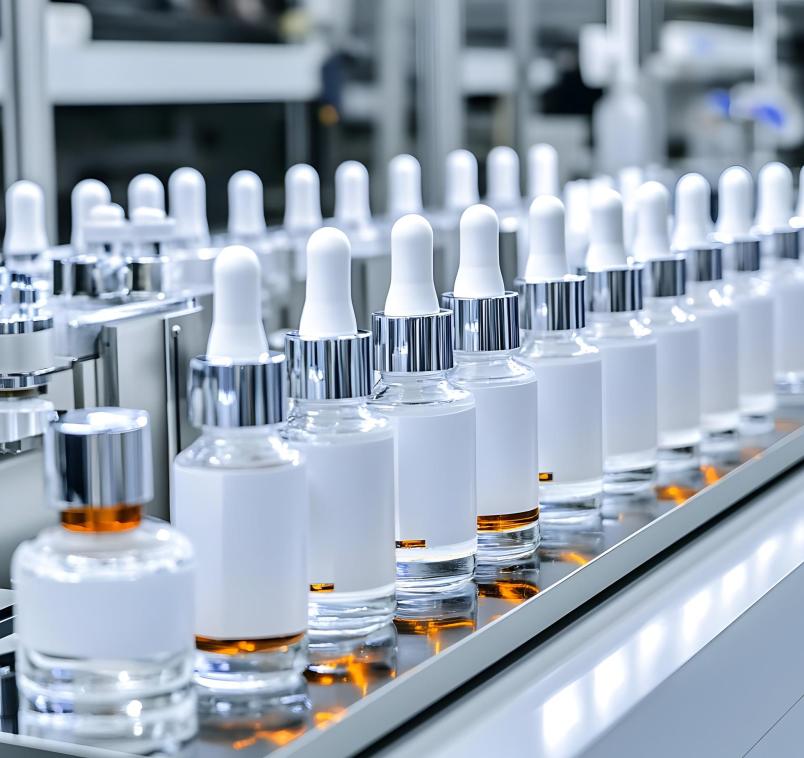
Step 5 — GMP Manufacturing
Guarantees purity, precision filling, low bioburden, and batch consistency.
Menanora’s formulations are engineered to support visible rejuvenation while ensuring safety for clinic-level treatments.
Buyer Q&A from Anti-Aging Clinics
Q1: Can rejuvenation serums be used immediately after energy-based procedures?
Yes—if formulated with low-irritation carriers and stable antioxidants.
Q2: How long until visible change occurs?
Initial improvements appear in 7–14 days, with structural changes emerging after 6–10 weeks.
Q3: Can Menanora customize rejuvenation formulas for different treatment protocols?
Absolutely. We tailor peptide levels, retinoid types, viscosity, antioxidant load, and penetration kinetics.
Why Menanora Is Trusted for Rejuvenation Serum Development
Menanora integrates biological renewal research, dermal matrix science, and device compatibility engineering to create rejuvenation serums that perform reliably in clinical anti-aging workflows.
Explore Menanora’s rejuvenation technologies:
https://www.menanora.com/
For OEM/ODM rejuvenation serum development, contact our formulation specialists:
https://www.menanora.com/contact-us/