Post Treatment Skin Care: How Clinics Control Recovery and Protect Results
Introduction: Where Most Aesthetic Results Are Actually Lost
In aesthetic practice, the procedure itself is rarely the failure point.
What undermines results is what happens after.
Redness that lasts too long. Sensitivity that escalates instead of calming. Patients unsure how to care for their skin once they leave the clinic. These issues rarely come from poor technique—they come from uncontrolled post treatment skin care.
This is why post treatment skin care has shifted from a recommendation to a clinical control system.
What Post Treatment Skin Care Needs to Achieve in Clinical Settings
Post treatment skin care is not about making skin “look better” immediately.
Its role is far more specific.
In real clinical workflows, effective post treatment skin care must:
-
Stabilize the skin barrier during its most vulnerable phase
-
Control inflammation without suppressing recovery
-
Prevent secondary irritation caused by incompatible products
-
Standardize recovery across different practitioners and patients
If any one of these fails, results become inconsistent—even when procedures are identical.
The Recovery Window: How Skin Behavior Changes After Treatment
After aesthetic procedures, the skin enters a temporary but high-risk state:
-
Barrier integrity is reduced
-
Transepidermal water loss increases
-
Reactivity to actives and fragrances rises sharply
Professional dermatology guidance consistently emphasizes simplified, barrier-focused care during this phase. The American Academy of Dermatology highlights that post-procedure recovery depends on protecting the skin barrier and avoiding unnecessary stimulation.
https://www.aad.org
This is the physiological context post treatment skin care must be designed for—not normal daily skin.
Product-Level Strategy: What Works in Post Treatment Skin Care
Post treatment skin care delivers value only when products are selected for behavior under stress, not marketing appeal.
1. Barrier Stabilization Products
Immediately after treatment, the priority is to reduce water loss and mechanical irritation.
Effective product characteristics include:
-
High humectant content without occlusive heaviness
-
Lipid support that mimics the natural barrier
-
Minimal ingredient complexity
Typical clinical formats:
-
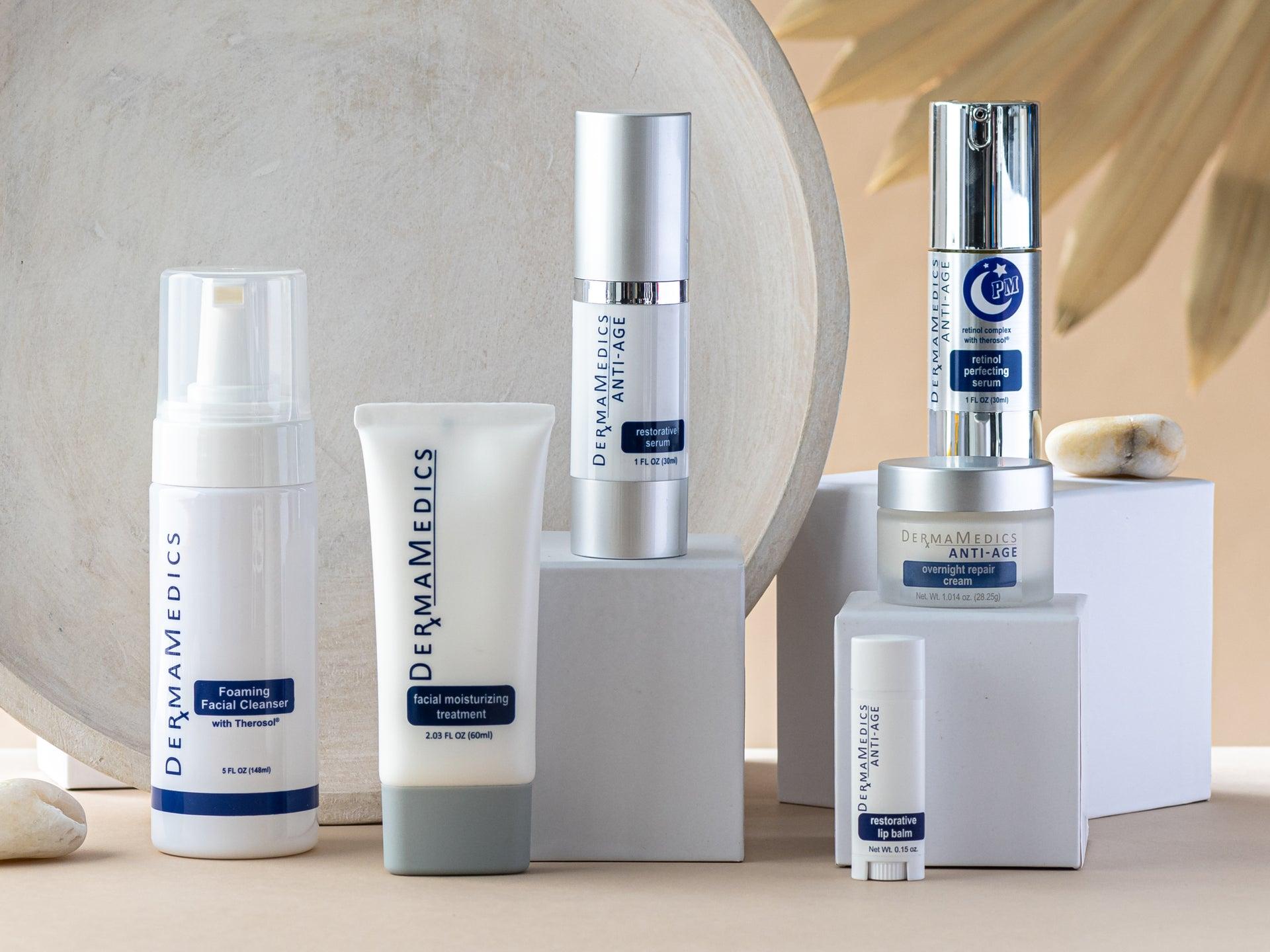
Recovery serums
-
Lightweight barrier creams
-
Calming post-treatment masks
These products do not accelerate results. They prevent setbacks, which is far more valuable clinically.
2. Controlled Hydration and Calming Support
Inflammation is part of healing—but uncontrolled inflammation delays recovery.
Post treatment skin care products designed for this phase focus on:
-
Hydration to reduce nerve sensitivity
-
Calming agents to limit excessive redness
-
Non-reactive bases that avoid secondary irritation
Single-dose or sterile formats significantly reduce variability and hygiene risk, especially in multi-operator clinics.
3. Simplified Take-Home Recovery Systems
Recovery continues for days, not minutes.
Clinics that provide structured take-home post treatment skin care systems consistently see:
-
Higher patient compliance
-
Fewer recovery-related inquiries
-
More consistent outcomes across skin types
The key is restraint: limited steps, clear duration, and explicit stop-points.
Why Manufacturing Quality Directly Affects Recovery Outcomes
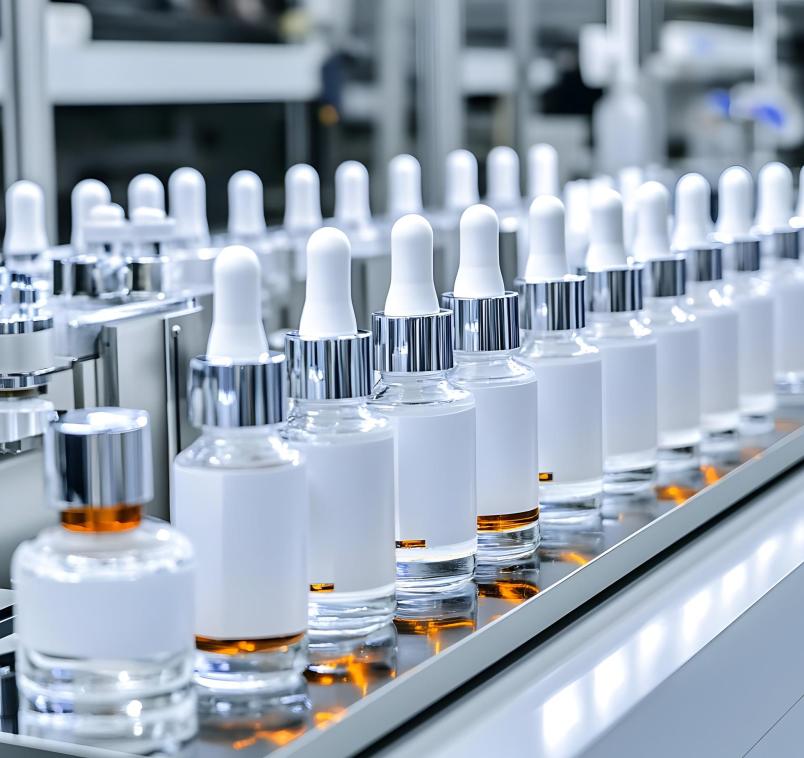
Post treatment skin care reliability begins at the manufacturing level.
Products produced under ISO 22716 (Cosmetic GMP) emphasize:
-
Batch consistency
-
Hygiene control
-
Ingredient traceability
These factors directly influence how products behave on compromised skin and reduce unexpected reactions.
https://www.iso.org/standard/36437.html
For clinics, GMP alignment is not branding—it is risk reduction.
How Clinics Standardize Post Treatment Skin Care Protocols
Clinics that achieve consistent recovery outcomes treat post treatment skin care as a protocol, not a suggestion.
Effective protocols typically define:
-
What products are used immediately after treatment
-
What products are sent home
-
How long each product is used
-
When patients transition back to normal skincare
This structure removes guesswork for both staff and patients.
For a broader framework on how skincare systems integrate with procedures, you may also find this article useful:
👉 Medical Aesthetic Skincare: Building Treatment-Safe, Clinically Reliable Care Systems
Frequently Asked Questions
Is post treatment skin care necessary after every aesthetic procedure?
Most aesthetic treatments temporarily compromise the skin barrier, making structured recovery care beneficial in many cases.
Can patients use their regular skincare after treatment?
Regular skincare is often too complex or reactive for compromised skin states.
How long should post treatment skin care be used?
Typically until the skin barrier stabilizes, which varies by procedure and individual response.
Post Treatment Skin Care Is Outcome Management
Post treatment skin care is not about enhancement.
It is about protecting the result you have already created.
Clinics that adopt treatment-safe, protocol-driven recovery systems reduce complications, improve patient confidence, and deliver more predictable aesthetic outcomes.
To learn more about professional post treatment skin care systems designed for real clinical environments, visit the Menanora homepage or speak directly with our team via the Contact Us page.