Post Procedure Recovery Skincare: Product Systems That Protect Skin After Aesthetic Treatments
Introduction: Recovery Is Where Results Are Either Secured or Compromised
Aesthetic procedures deliberately place the skin under controlled stress.
The treatment itself may last minutes, but the biological response that follows unfolds over days.
This is where post procedure recovery skincare plays a decisive role. During recovery, the skin barrier is weakened, sensitivity is elevated, and external irritation becomes harder to control. Products used at this stage directly influence whether results stabilize smoothly or become inconsistent.
Recovery skincare does not enhance outcomes. It exists to protect what the procedure has already achieved.
Barrier Stability Is the Primary Objective of Recovery-Focused Products
After a procedure, the skin enters a fragile transitional state. Moisture loss increases, nerve reactivity rises, and tolerance thresholds narrow.
High-quality recovery products are built around a single objective: restoring barrier stability without triggering additional stimulation. This requires carefully balanced hydration, structural support for the barrier, and formulations that calm rather than activate.
When this balance is achieved, redness resolves more predictably, discomfort is reduced, and the skin can progress through healing without interruption.
Low-Reactivity Formulation Defines Professional Recovery Skincare
Compromised skin does not respond to ingredients in the same way as healthy skin. Components that are acceptable in everyday routines may become irritants during recovery.
For this reason, professional recovery products emphasize:
-
Simplified ingredient structures
-
Minimal sensory stimulation
-
Exclusion of aggressive or highly active compounds
This restraint is intentional. During recovery, the most effective formulations are often those that do the least, allowing natural repair processes to proceed without interference.
Recovery Stages Shape How Products Are Used
Skin recovery is not a single event but a sequence of phases, and effective product systems are designed to align with each stage.
In the initial stabilization phase, products focus on calming acute response and limiting transepidermal water loss. Lightweight serums, sterile ampoules, or calming masks are commonly used due to their controlled application and low friction.
As recovery progresses into the short-term support phase, hydration consistency and barrier reinforcement become the priority. Products used during this period are typically simple, repeatable, and applied over several days to maintain equilibrium.
Finally, during the transition phase, recovery products help guide the skin back toward baseline condition. Clear usage boundaries prevent overuse and reduce the risk of introducing incompatible skincare too early.
This staged approach is central to effective post procedure recovery skincare systems, ensuring recovery remains predictable rather than reactive.
Product Formats That Support Controlled and Repeatable Recovery
Beyond formulation, product format significantly influences recovery performance and consistency.
Professional recovery systems often rely on:
-
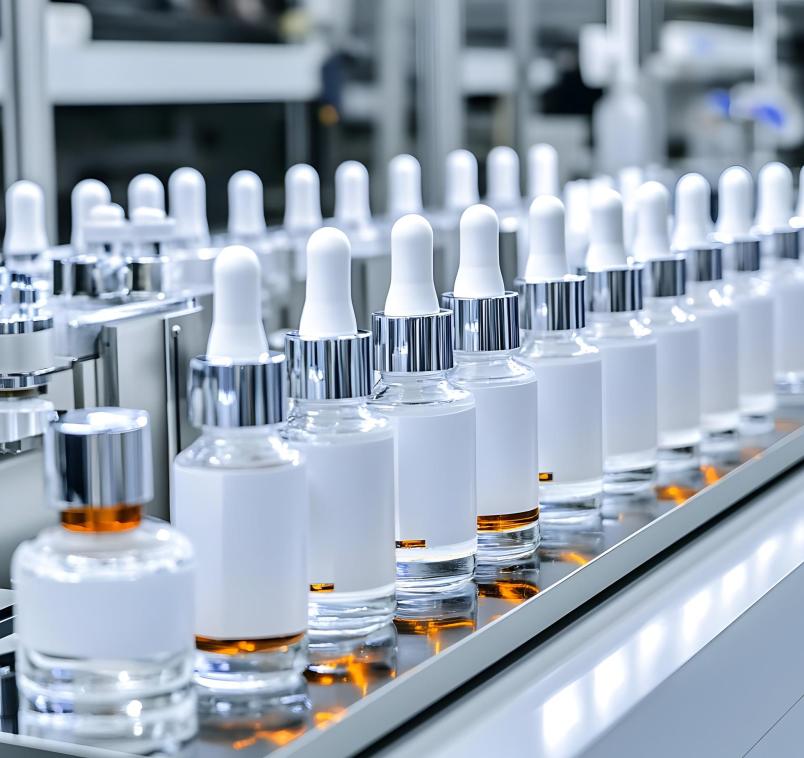
Single-dose ampoules to ensure hygiene and precise dosing
-
Lightweight serums that absorb quickly on sensitized skin
-
Calming emulsions or masks designed for immediate post-procedure use
These formats reduce variability between applications and support repeatable outcomes across different users and environments.
Specification Comparison: Recovery Products vs General Skincare
| Evaluation Aspect | General Skincare Products | Recovery-Focused Products |
|---|---|---|
| Intended skin condition | Normal / healthy skin | Compromised / post-procedure skin |
| Ingredient complexity | Often high | Controlled and simplified |
| Irritation risk | Variable | Minimized by design |
| Packaging format | Multi-use | Single-dose or controlled |
| Usage window | Long-term daily use | Time-limited recovery phase |
This distinction is critical when evaluating products for professional or branded recovery use.
Customization and Production: Building Reliable Recovery Systems
From a B2B perspective, recovery skincare is rarely developed as a single standalone item. It is structured as a coherent product system aligned with procedure intensity and recovery timelines.
Customization may involve adjusting hydration strength, modifying texture for immediate versus take-home use, or creating coordinated product sets. Just as important is production consistency. Recovery products must behave identically from batch to batch, particularly when applied to sensitized skin.
For this reason, professional recovery systems are typically manufactured under cosmetic GMP standards such as ISO 22716, ensuring formulation stability, hygiene control, and traceability.
QA | Common Buyer Questions
Are recovery products required after every aesthetic procedure?
Most procedures that disrupt the skin barrier or involve thermal or mechanical stress benefit from structured recovery support.
Can regular retail skincare be used during recovery?
Retail products are rarely designed for compromised skin states and may increase irritation risk during healing.
How long should recovery products be used?
They are generally applied until the skin barrier stabilizes, after which users transition back to standard routines.
Recovery Skincare Is a Functional Product Category
Post-procedure recovery is the most vulnerable phase of the aesthetic process. Products used during this window determine whether results remain stable or gradually degrade.
At Menanora, we focus on developing recovery skincare systems designed specifically for post-procedure use. Our approach prioritizes low-reactivity formulations, controlled product formats, and consistent manufacturing standards, supporting brands, distributors, and professional users who require reliability rather than marketing-driven claims.
To learn more about Menanora’s recovery-focused product systems and development capabilities, you can visit our homepage or reach out via our Contact Us page.