When Peptide Products Fail in Real Markets: Stability and Scalability Challenges
In many skincare product launches, peptide-based formulations initially perform well during small-batch testing but encounter problems once scaled for commercial production. Brands often notice that textures change, actives degrade faster than expected, or performance becomes inconsistent across batches.
For distributors and clinics, this inconsistency creates uncertainty. A product that worked well in early trials may deliver weaker results after several months on the shelf. Clients begin to question product reliability, even when the ingredient itself is scientifically proven.
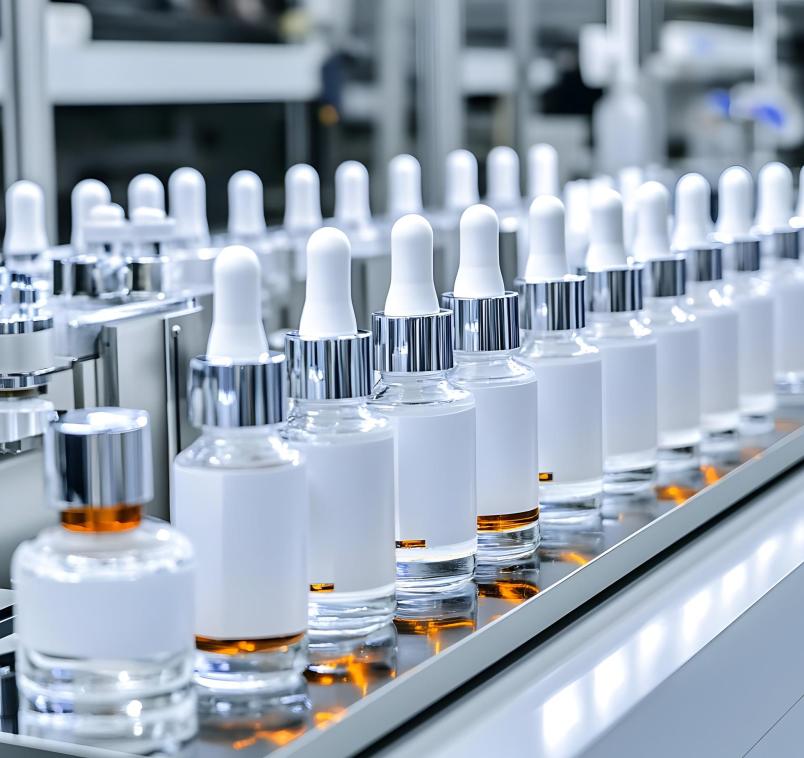
This is where properly engineered peptide skincare products make a difference. Menanora focuses on formulation stability, scalable production, and controlled ingredient systems to ensure that peptide-based products maintain consistent performance from development to market.
Why Peptide Formulation Is More Complex Than Standard Skincare
Before diving into manufacturing, it is important to recognize that peptides are among the most sensitive ingredients used in skincare.
Unlike basic actives, peptides are prone to:
- hydrolysis in water-based systems
- degradation under heat
- instability across pH variations
- interaction with incompatible emulsifiers
Because of these challenges, peptide skincare products require a more advanced formulation strategy than conventional skincare products.
Stability Engineering: The Foundation of Peptide-Based Products
To ensure long-term effectiveness, stability must be built into the formulation from the beginning.
Controlled pH Environment
Peptides typically remain stable within a narrow pH range (around 5.0–6.5). Outside this range, degradation accelerates.
Encapsulation and Carrier Systems
Encapsulation technologies protect peptides from environmental stress and improve delivery efficiency.
Antioxidant Support
Stabilizers help prevent oxidative damage, extending product shelf life.
Packaging Design
Airless pumps, sealed ampoules, or single-dose systems reduce exposure to oxygen and contamination.
These strategies allow peptide skincare products to maintain performance over time.
Manufacturing Considerations for Peptide Skincare
Scaling peptide formulations from lab to production introduces additional challenges.
Temperature Control
Production temperatures must be carefully managed to prevent peptide breakdown.
Mixing and Processing
High-shear mixing can damage peptide structures, requiring controlled processing methods.
Batch Consistency
Maintaining uniform concentration and distribution across large volumes is critical.
GMP Compliance
Strict manufacturing standards ensure product safety, quality, and repeatability.
These factors highlight why choosing the right manufacturer is essential for peptide-based products.
Performance Comparison: Stable vs Unstable Peptide Formulations
Reference ranges based on formulation testing and production data.
| Parameter | Stable Peptide Formulation | Unstable Formulation | Reference Range |
|---|---|---|---|
| Active Retention (12 months) | 85–95% | 50–70% | Stability test |
| Collagen Support Efficiency | 15–25% | 5–10% | Clinical data |
| Texture Consistency | 90–98% | 60–75% | Production testing |
| Batch Variability | ±3–5% | ±10–20% | Manufacturing data |
| Shelf Life | 24 months | 12–18 months | Product lifecycle |
These differences directly impact product reliability and brand reputation.
Commercial Applications of Peptide Skincare Products
Beyond formulation, peptide products must perform in real market environments.
Clinical Use
Used in anti-aging and repair treatments, requiring consistent results across sessions.
Retail Distribution
Products must maintain stability through shipping, storage, and consumer use.
Brand Product Lines
Peptides are often used as flagship ingredients in premium skincare lines.
Because of these factors, peptide skincare products must be designed for both performance and scalability.
Customization Capabilities for Peptide-Based Skincare
As competition increases, customization becomes a key advantage for brands.
Professional suppliers should offer:
- tailored peptide combinations
- adjustable concentrations
- targeted functional positioning (anti-aging, repair, firming)
- compatibility with regional regulations
- custom packaging and branding
Menanora provides OEM and ODM services to help brands create differentiated peptide product lines.
How Menanora Develops Peptide Skincare Products
Menanora applies a structured approach to ensure product performance and reliability.
Ingredient Sourcing
High-quality peptides with verified purity and stability.
Formulation Design
Balanced systems that protect peptides and enhance delivery.
Stability Testing
Evaluation under heat, light, and long-term storage conditions.
GMP Manufacturing
Ensures consistent quality and scalable production.
Through this process, Menanora delivers peptide skincare products suitable for global markets.
Q&A
Q: Why do some peptide products lose effectiveness over time?
A: Due to instability caused by pH imbalance, oxidation, or improper formulation.
Q: Are peptide products suitable for large-scale production?
A: Yes, but only with proper formulation and manufacturing control.
Q: Can Menanora customize peptide formulations?
A: Yes, we offer OEM/ODM solutions tailored to brand requirements.
Building Reliable Peptide Skincare for Global Markets
As peptide technology continues to evolve, stability and manufacturing quality become critical factors in product success. Brands must ensure that formulations remain effective throughout the product lifecycle.
Menanora combines formulation expertise and manufacturing precision to deliver peptide skincare solutions that meet the demands of clinics, distributors, and global brands.
Explore our skincare solutions:
https://www.menanora.com/
For OEM/ODM development, contact us:
https://www.menanora.com/contact-us/