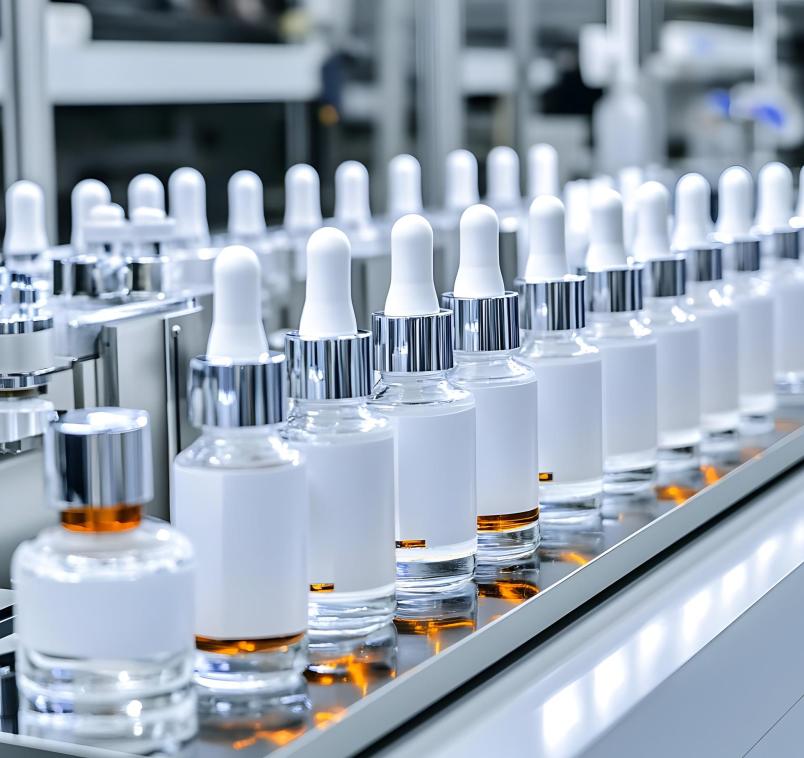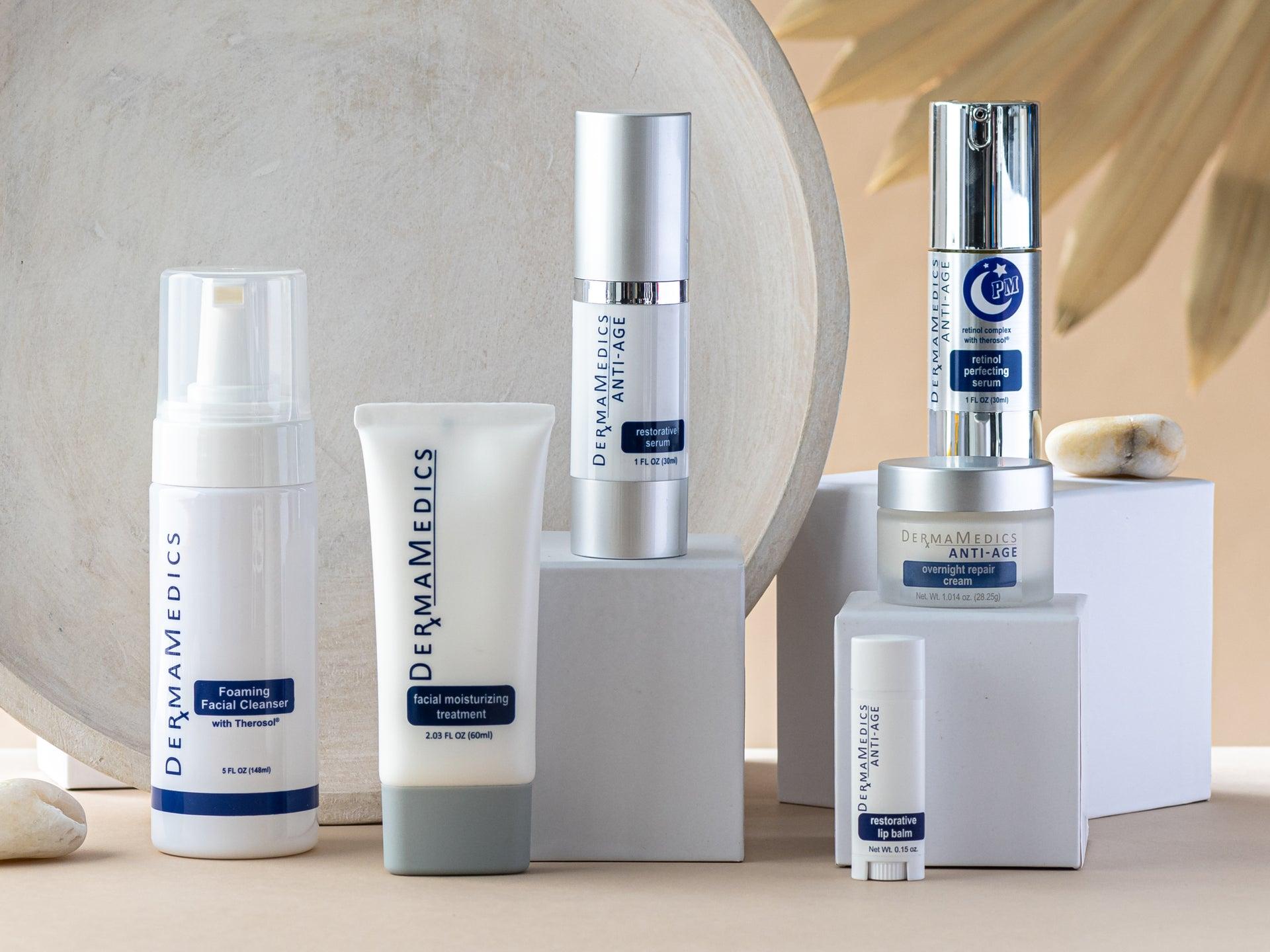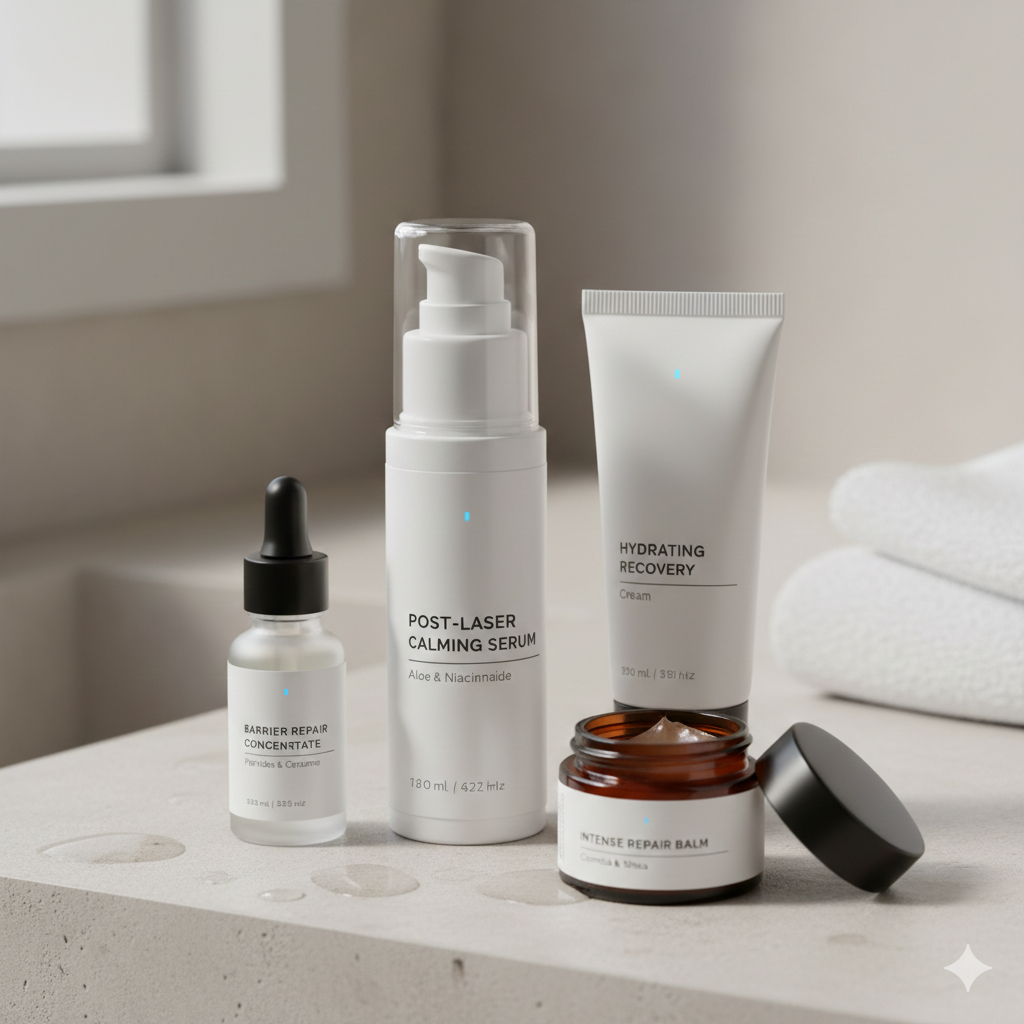
A medical skincare serum manufacturer operates in a regulatory and scientific environment closer to pharmaceutical production than beauty formulation. Medical serums are used on vulnerable skin—patients recovering from dermatological procedures, individuals with compromised barriers, sensitivity disorders, or chronic inflammation.
Unlike cosmetic serums that target sensory feel, medical serums must ensure:
-
high-purity ingredient sourcing
-
zero-irritation delivery systems
-
microbiological safety suitable for post-procedure use
-
long-term stability under temperature and oxygen exposure
-
traceability and batch records for every ingredient
-
clinical evidence supporting claims of repair, soothing, or barrier support
This level of rigor is essential for dermatologists, aesthetic clinics, and medical spas seeking predictable patient outcomes.
How Medical-Grade Serum Manufacturing Differs from Cosmetic Production
Ingredient Purity (95–99% Active Fraction)
Medical serums rely on higher-purity actives to reduce impurities that may trigger sensitivity.
Examples include:
-
ceramides with >98% purity
-
peptides with >95% purity
-
stabilized HA fragments with controlled molecular weight
Higher purity reduces variability and irritation potential.
Controlled Molecular Weight Systems
Unlike cosmetic serums that often rely on blends, medical serums require verified molecular ranges:
-
HA: 5–50 kDa (deep penetration)
-
Mid-weight HA: 100–300 kDa
-
Barrier films: 800–1500 kDa
This ensures predictable absorption for sensitive or post-procedure skin.
GMP & ISO 22716 Hygiene Standards
A medical skincare serum manufacturer must operate under controlled environmental conditions:
-
ISO-class cleanrooms
-
HEPA-filtered production zones
-
low-bioburden filling lines
-
oxygen-controlled environments for sensitive actives
This significantly reduces contamination and oxidation risks.
Medical-Grade Preservation Logic
Preservatives must be mild enough for compromised skin, yet clinically effective:
-
multi-pathway antimicrobial systems
-
pH-stable preservatives
-
low-sensitization indexes
These systems allow safe use even after microneedling or laser treatments.
Clinical-Level Stability & Validation Requirements
Medical serums undergo broader validation beyond standard cosmetic stability.
Stress Testing
-
Heat cycles: 4°C ↔ 45°C
-
Light exposure: UV stability for 72–120 hours
-
Oxygen stress: monitoring for oxidation effects
-
Shake tests: emulsion / polymer system integrity
Microbiological Safety
Targets include:
-
aerobic plate count <100 CFU/g
-
mold/yeast <10 CFU/g
-
absence of pathogenic species
Dermatological Safety
Patch testing is conducted on:
-
sensitive skin
-
compromised skin
-
post-laser or post-peel conditions
Irritation score targets: 0–0.5 / 5.
Data Comparison: Medical vs. Cosmetic Serum Manufacturing
(Realistic reference ranges based on industry benchmarks, dermatology testing, and GMP manufacturing data)
| Indicator | Medical-Grade Serum | Cosmetic Serum | Reference Data |
|---|---|---|---|
| Active Purity | 95–99% | 70–90% | Raw material COA values |
| Microbial Limit | <100 CFU/g | <1000 CFU/g | GMP vs. cosmetic standards |
| Irritation Score | 0–0.5 / 5 | 1–2 / 5 | Sensitive skin patch test |
| Potency Retention (12 months) | 85–92% | 55–70% | Oxidation/light exposure study |
| Stability Under Heat Cycling | 98–100% stable | 60–80% | Thermal stress tests |
Only a medical skincare serum manufacturer can achieve consistency across these parameters.
Formulation Priorities Unique to Medical Serums
Anti-Inflammatory Pathway Control
Medical serums target inflammatory markers such as:
-
IL-1α
-
TNF-α
-
ROS accumulation
Actives include:
-
panthenol (5–8%)
-
beta-glucan
-
centella asiatica fractions
-
ectoin
-
oat-derived avenanthramides
These reduce redness and micro-inflammation by 20–35% within controlled timeframes.
Barrier Rebuilding for Compromised Skin
Medical serums must rebuild lipid structures altered by procedures:
-
ceramide/cholesterol/fatty acid ratios in a 3:1:1 balance
-
phytosphingosine
-
niacinamide (2–4% medical tolerance)
TEWL reduction targets: 25–33% after sustained use.
Predictable Absorption Kinetics
Medical patients require non-stinging, fast-absorbing serums:
-
absorption time: 12–20 seconds
-
viscosity range: 120–300 cP
-
sting-free carriers without ethanol or reactive solvents
Predictability is key for dermatology-led treatment protocols.
Where Medical Serums Deliver the Most Impact
Post-Procedure Recovery
Treatments such as microneedling, RF microneedling, laser resurfacing, or chemical peeling create temporary vulnerability.
Medical serums must:
-
calm irritation immediately
-
reduce redness by 20–35%
-
prevent TEWL spikes
-
support lipid barrier rebuilding
Sensitive-Skin Management
Patients with chronic sensitivity or barrier dysfunction benefit from:
-
low-irritation actives
-
reduced excipient load
-
soft hydration systems supporting long-term tolerance
Dermatology-Supervised Brightening Therapies
Medical serums stabilize high-potency actives like:
-
tranexamic acid
-
azelaic acid derivatives
-
stabilized vitamin C (SAP/MAP)
without triggering irritation.
What Makes a Reliable Medical Skincare Serum Manufacturer
A professional manufacturer must provide more than production—they must provide clinical security.
Full Ingredient Traceability
Every active has:
-
COA verification
-
allergen/sensitizer status
-
purity and heavy-metal reports
End-to-End Documentation
-
stability reports
-
microbiological results
-
safety assessments
-
batch production logs
Customization Capabilities
OEM/ODM support covers:
-
viscosity control
-
active-level customization
-
carrier system design
-
packaging sterilization
-
treatment-specific formulation (pre-procedure, mid-procedure, post-care)
A reliable medical skincare serum manufacturer is ultimately a partner in clinical outcomes—not merely a supplier.
Menanora’s Approach to Medical-Grade Serum Development
Menanora integrates dermatological science, device compatibility research, and GMP manufacturing to produce serums safe for sensitive and post-treatment skin.
Our Process Includes:
-
Clinical Condition Mapping
Understanding skin biology under stress, heat, suction, and inflammation. -
Purity-Focused Ingredient Engineering
High-purity ceramides, peptides, HA fractions, and anti-inflammatory complexes. -
Multi-Phase Safety Validation
Sensitive-skin modeling, irritation scoring, and microbiological safety checks. -
Stability & Potency Preservation
Thermal cycling, oxygen exposure, and light testing ensure long-term performance. -
GMP Production & Automated Filling
Ensuring dose precision, sterility, and batch consistency for medical-grade dependability.
Menanora’s strength lies in transforming dermatology principles into reliable, safe, and effective serums for global clinical brands.
Buyer Q&A: Common Questions from Clinics & Dermatology Brands
Q1: Can medical serums be used immediately after aesthetic procedures?
Yes—if formulated under low-irritation, high-purity standards with sting-free carriers. Menanora’s serums are specifically designed for post-treatment use.
Q2: How do you ensure zero irritation?
We test on sensitive and compromised skin models, keeping irritation scores below 0.5/5.
Q3: Do you support formula customization for different regional regulations?
Absolutely. We adjust preservatives, actives, and pH to comply with EU, US, Asian, and Middle Eastern standards.
Why Menanora Is Trusted as a Medical Skincare Serum Manufacturer
Menanora delivers science-backed, stable, and dermatology-safe formulations, ensuring clinical predictability and patient comfort. Our OEM/ODM services empower skincare brands and clinics to build treatment lines that genuinely support skin healing and tolerance.
Explore Menanora’s medical-grade skincare solutions:
https://www.menanora.com/
For custom serum development, contact our formulation team:
https://www.menanora.com/contact-us/