When Formulations Fail in Real Use: The Gap Between Theory and Practice
In real-world skincare development, many brands encounter the same frustrating scenario. A formula that looks promising in the lab suddenly performs inconsistently once it reaches clinics or consumers. Textures feel unstable, active ingredients lose potency over time, or sensitive users report unexpected irritation.
For aesthetic clinics, this problem becomes even more critical. Products are exposed to heat, friction, suction, and post-treatment skin conditions. A formulation that is not engineered for these realities can disrupt treatments, reduce customer satisfaction, and damage brand credibility.
This is exactly where advanced skincare formulation becomes essential. Instead of focusing only on ingredient trends, Menanora builds formulations based on stability science, skin biology, and treatment compatibility. By integrating controlled ingredient systems, real-condition testing, and GMP production, we ensure that formulas perform consistently from development to application.
Why Modern Skincare Formulation Requires Engineering, Not Just Ingredients
To understand why formulation matters so much, it is important to recognize that skincare today operates in a far more complex environment than before.
Consumers and clinics expect products to deliver multiple functions at once—hydration, calming, anti-aging, and barrier repair—while remaining gentle enough for sensitive skin. This creates a formulation challenge that cannot be solved by simply adding more ingredients.
A well-designed advanced skincare formulation must balance:
-
ingredient compatibility and interaction
-
stability under temperature and light exposure
-
absorption behavior on different skin conditions
-
long-term efficacy over shelf life
-
safety for compromised or post-treatment skin
This shift marks the transition from cosmetic blending to formulation engineering.
Core Elements That Define Advanced Skincare Formulation
Before diving deeper into performance, it is useful to break down the essential building blocks of professional formulations.
Multi-Phase Ingredient Structuring
Modern formulations rely on layered systems rather than single-phase mixtures. This allows different actives to perform without interfering with each other.
Controlled Delivery Systems
Encapsulation, liposomal carriers, and polymer networks help regulate how actives penetrate the skin, reducing irritation while improving efficiency.
Stability-Oriented Design
Ingredients are selected and combined based on their resistance to oxidation, heat, and pH changes.
Skin-Compatible Base Systems
Formulas are built around low-irritation carriers that support sensitive and post-treatment skin.
Together, these elements ensure that an advanced skincare formulation remains effective and stable across different use conditions.
Data Comparison: Advanced Formulation vs Conventional Formulation
Reference ranges based on laboratory testing, dermatological studies, and stability simulations.
| Parameter | Advanced Formulation | Conventional Formulation | Reference Range |
|---|---|---|---|
| Active Stability (12 months) | 85–95% retained | 55–70% retained | Oxidation test |
| Irritation Score | 0–0.5 / 5 | 1.5–2.5 / 5 | Patch testing |
| Heat Stability (50°C) | 95–100% stable | 60–80% stable | Thermal cycling |
| Texture Consistency | 90–98% | 65–80% | Mechanical stress test |
| Absorption Efficiency | 20–35% improvement | 10–15% | Penetration study |
These results demonstrate that formulation strategy directly impacts product performance and user experience.
Ingredient Synergy: Why Combination Matters More Than Individual Actives
When developing professional skincare, focusing on single “hero ingredients” is no longer sufficient.
Instead, the effectiveness of a formula depends on how ingredients work together. For example, combining hyaluronic acid with ceramides enhances hydration while simultaneously strengthening the skin barrier. Adding antioxidants helps protect these systems from environmental stress.
An effective advanced skincare formulation often integrates:
-
hydration systems (multi-weight HA, polyglutamic acid)
-
barrier-repair lipids (ceramides, fatty acids)
-
calming agents (panthenol, beta-glucan)
-
antioxidant protection (vitamin C derivatives, ectoin)
The synergy between these components determines the final outcome more than any single ingredient alone.
Stability Challenges in Professional Skincare Products
In practical applications, stability is one of the most overlooked yet critical factors.
Products may face high temperatures during shipping, repeated exposure to air during use, and mechanical stress during treatments. Without proper design, formulas can degrade, separate, or lose effectiveness.
To address these challenges, advanced skincare formulation must include:
-
antioxidant systems to prevent oxidation
-
pH buffering to maintain ingredient stability
-
emulsifier optimization for texture consistency
-
packaging compatibility to reduce contamination
These measures ensure that products remain reliable from production to end use.
Designing for Sensitive and Post-Treatment Skin
Another important consideration is the increasing prevalence of sensitive skin conditions.
After treatments such as chemical peels, microneedling, or laser therapy, the skin barrier becomes temporarily weakened. This requires formulations that are both effective and exceptionally gentle.
Professional formulations should therefore:
-
avoid alcohol, strong fragrances, and irritants
-
use low-reactivity carriers
-
support barrier recovery through lipid replenishment
-
reduce inflammation using soothing agents
This approach allows products to perform safely even under challenging skin conditions.
Custom Formulation Needs for Brands and Clinics
As the skincare market evolves, brands and clinics are no longer satisfied with generic solutions.
Instead, they require customized formulations tailored to their specific positioning, treatment protocols, and target markets.
Customization may involve:
-
adjusting viscosity for device compatibility
-
modifying active ingredient concentrations
-
developing sensitive-skin versions
-
ensuring compliance with regional regulations
-
creating unique textures and user experiences
Menanora supports these needs through OEM and ODM services, helping clients build differentiated and competitive product lines.
How Menanora Develops Advanced Skincare Formulations
To ensure consistent performance, Menanora follows a structured formulation process.
First, we analyze real-world usage scenarios, including clinical treatments and environmental conditions. This allows us to design formulas that behave predictably outside the laboratory.
Next, we select ingredients based on compatibility, stability, and biological relevance. Each formulation undergoes stress testing to evaluate performance under heat, pressure, and repeated use.
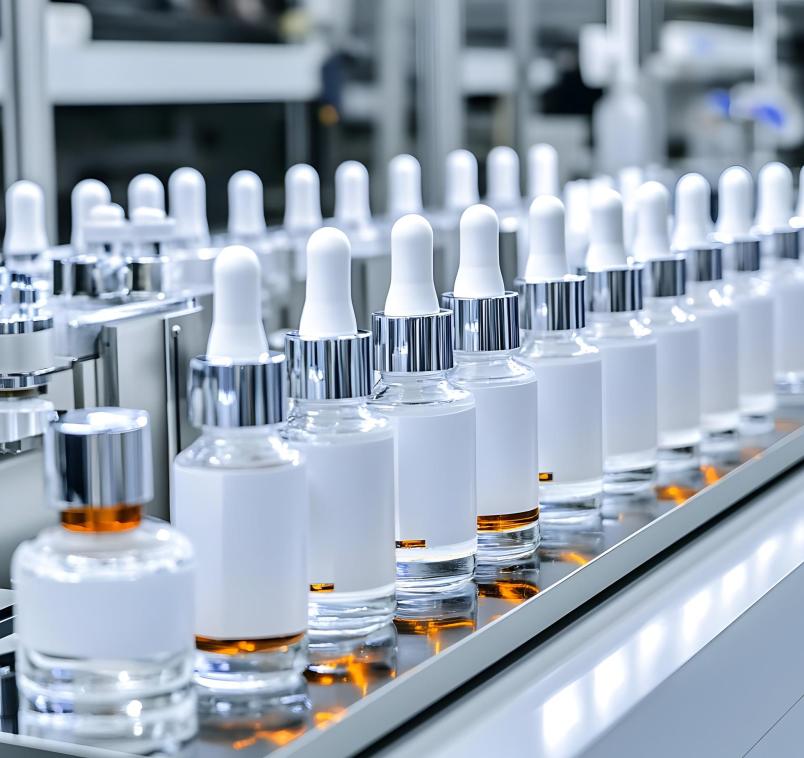
Finally, production is carried out under GMP standards, ensuring purity, safety, and batch consistency.
Through this process, Menanora delivers advanced skincare formulation solutions that meet the demands of both professional and commercial applications.
Q&A
Q: Why do some formulations lose effectiveness over time?
A: This is usually due to oxidation, unstable ingredient combinations, or inadequate packaging protection.
Q: Can advanced formulations reduce skin irritation?
A: Yes, by controlling ingredient delivery and using low-irritation systems, advanced formulations significantly improve skin tolerance.
Q: Does Menanora support private label formulation development?
A: Yes, we provide full OEM/ODM services, including formulation design, testing, and production.
Building Reliable Skincare Through Advanced Formulation
As the skincare industry becomes more sophisticated, formulation quality plays an increasingly important role. Products must not only deliver visible results but also maintain stability, safety, and consistency across different conditions.
Menanora combines scientific research, formulation engineering, and manufacturing expertise to create skincare solutions that perform reliably in both clinical and consumer environments.
Learn more about our formulation capabilities:
https://www.menanora.com/
For custom formulation development and OEM/ODM services, contact us:
https://www.menanora.com/contact-us/