Pre Treatment Skin Preparation: Setting the Foundation for Safer, More Consistent Results
Common Questions Clinics Ask Before Building Preparation Protocols
Do all aesthetic procedures require pre-treatment preparation?
Most procedures involving heat, penetration, or mechanical stress benefit from structured preparation, especially for sensitive or dehydrated skin.
Can patients use their regular skincare before treatment?
Regular skincare often contains exfoliating or sensitizing ingredients that increase procedural risk and should be limited or paused.
How early should preparation begin before treatment?
Timing depends on baseline skin condition and procedure type, but consistency over several days matters more than intensity.
Introduction: Why Many Outcomes Are Decided Before Treatment Starts
In aesthetic clinics, complications are often discussed as post-treatment issues.
In practice, many of them originate before the procedure even begins.
Skin that enters treatment dehydrated, over-stimulated, or already sensitized behaves unpredictably under heat, penetration, or mechanical pressure. This unpredictability increases the likelihood of excessive redness, discomfort during treatment, uneven response, or delayed recovery.
This is why pre treatment skin preparation has evolved from a soft recommendation into a risk-control mechanism inside modern aesthetic workflows.
What Effective Pre Treatment Skin Preparation Needs to Achieve
Clinically, preparation is not about enhancing results.
It is about stabilizing skin behavior so procedures can perform as intended.
Effective preparation protocols focus on four core objectives:
-
Supporting barrier integrity before controlled injury
-
Improving tissue hydration and elasticity
-
Reducing baseline irritation and sensitivity
-
Establishing a consistent starting condition across patients
When these conditions are met, treatments become more predictable, and recovery becomes easier to manage.
Skin Condition Before Treatment: Variables Clinics Must Reduce
Patients rarely arrive with identical baseline skin conditions.
Differences in hydration, barrier strength, recent product use, and environmental exposure introduce variables that directly influence how skin responds to devices and procedures.
Professional dermatology guidance consistently reinforces the importance of minimizing irritation and maintaining barrier stability prior to interventions. The American Academy of Dermatology emphasizes avoiding sensitizing factors and supporting the skin barrier to reduce procedural risk.
https://www.aad.org
Structured pre treatment skin preparation exists to reduce these variables to a manageable range, not to eliminate them entirely.
Product-Level Strategy: What Actually Works in Clinical Preparation
1. Barrier Conditioning Without Stimulation
Before treatment, the skin does not need activation.
It needs support.
High-performing preparation products typically provide:
-
Lightweight hydration that improves flexibility
-
Barrier-supportive components without occlusive heaviness
-
Simple, low-reactivity formulations
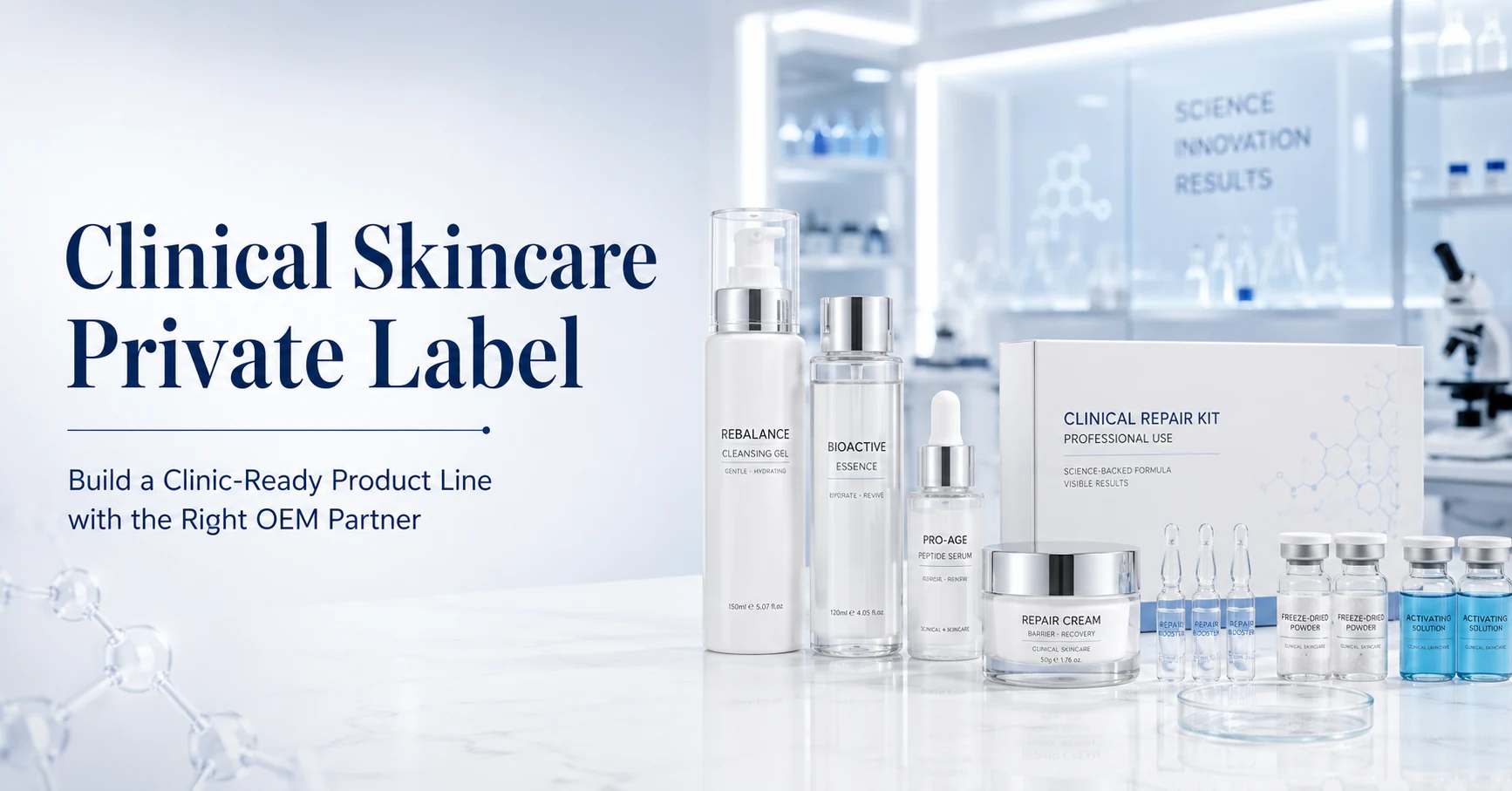
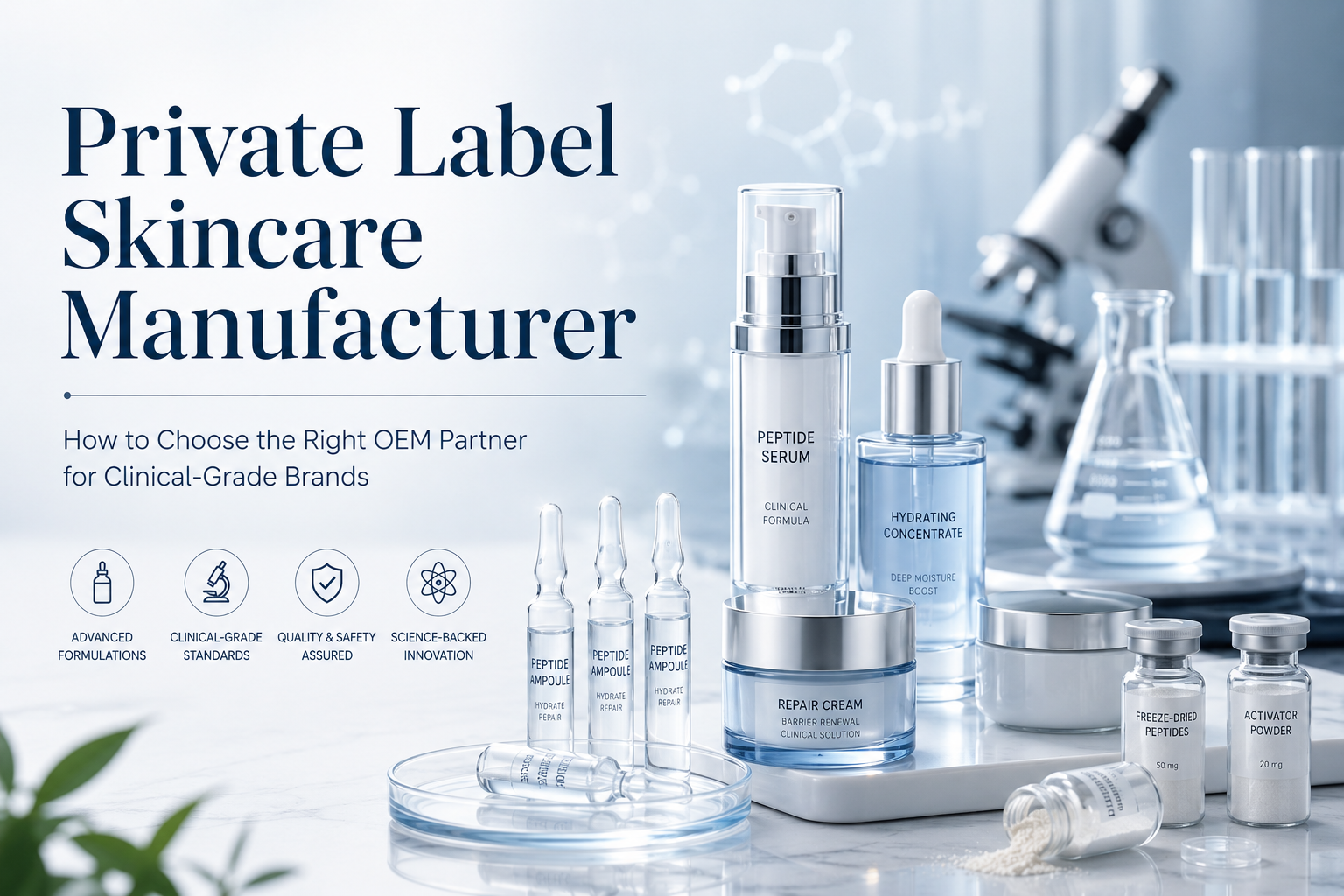
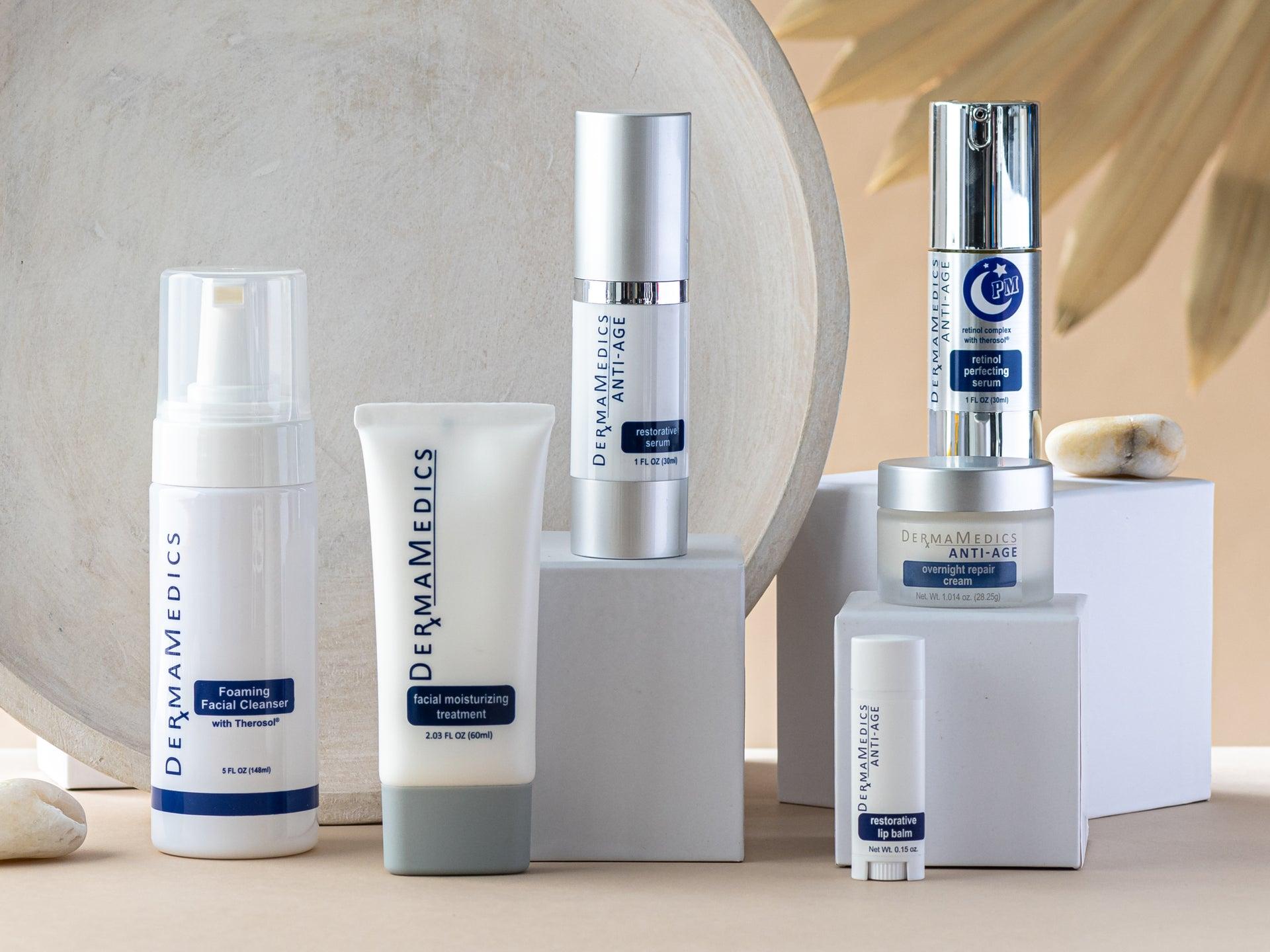
Common clinical formats include conditioning serums, hydration ampoules, and calming essences designed specifically for pre-procedure use.
These products help skin tolerate thermal energy, microneedling depth, or injection pressure more evenly during treatment.
2. What Must Be Excluded During Preparation
Preparation is as much about removal as addition.
Effective pre treatment skin preparation protocols exclude:
-
Exfoliating acids, retinoids, or aggressive actives
-
Strong fragrances or essential oils
-
Multi-layer routines that increase variability
Reducing biochemical “noise” before treatment consistently improves procedural control.
3. Timing and Consistency Matter More Than Product Strength
Clinics that achieve stable outcomes treat preparation as a time-bound phase.
They clearly define:
-
When preparation begins
-
Which products are allowed
-
When preparation stops
This consistency is more important than product intensity, especially for laser, RF, or microneedling procedures.
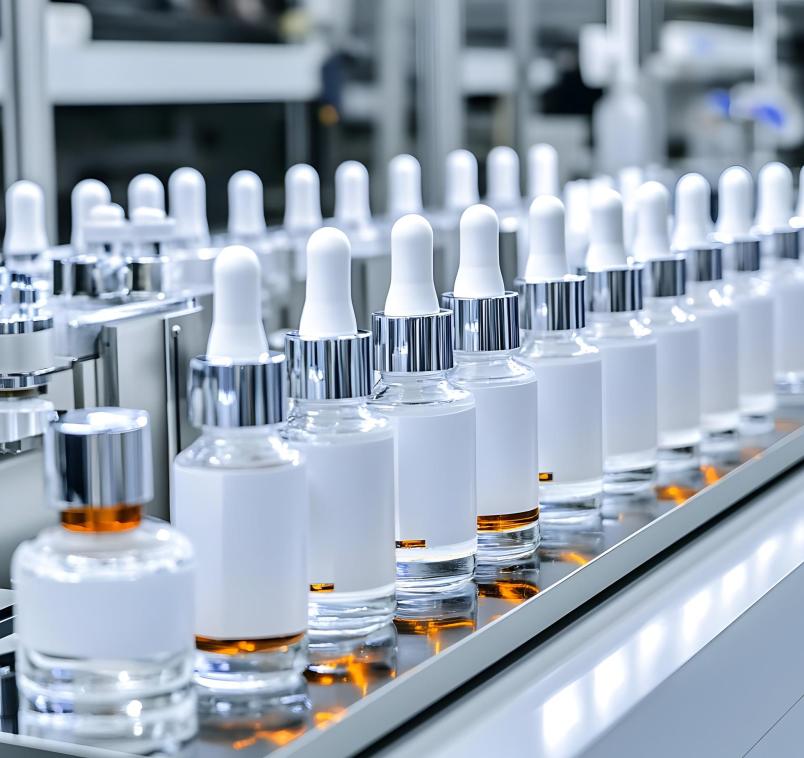
Why Manufacturing Quality Affects Preparation Reliability
Preparation products are used repeatedly and across different skin conditions, making consistency critical.
Manufacturers aligned with ISO 22716 (Cosmetic GMP) emphasize batch stability, hygiene control, and ingredient traceability—factors that directly influence how products behave on sensitive or stressed skin.
https://www.iso.org/standard/36437.html
For clinics, GMP alignment supports long-term protocol stability and reduces unexpected reactions.
How Clinics Build Practical Preparation Protocols
Clinics that manage procedural risk effectively treat pre treatment skin preparation as a defined clinical stage.
Well-designed protocols typically specify:
-
Approved preparation products
-
Duration of preparation
-
Criteria for extended preparation
-
Clear exclusion rules for incompatible skincare
This structure improves staff compliance, patient understanding, and overall treatment consistency.
For insight into how preparation connects with recovery management, you may also find this article useful:
👉 Post Treatment Skin Care: How Clinics Control Recovery and Protect Results
Conclusion: Preparation Is About Control, Not Enhancement
Pre treatment skin preparation does not promise better results.
It reduces uncertainty.
By stabilizing skin condition before procedures, clinics improve tolerance, reduce complications, and create a predictable foundation for aesthetic treatments.
To learn more about professional preparation systems designed for real clinical workflows, visit the Menanora homepage or speak with our team via the Contact Us page.