When Skin Repair Slows Down After Treatments
In many clinical and aesthetic treatments, the biggest challenge is not the procedure itself, but what happens afterward. Skin may initially respond well to microneedling, laser, or peeling treatments, but recovery can be uneven. Redness may persist, sensitivity increases, and the skin barrier struggles to restore itself efficiently.
For clinics and brands, this inconsistency creates a gap in treatment outcomes. Clients expect smooth recovery and visible improvement, yet without the right support system, results can plateau or even regress.
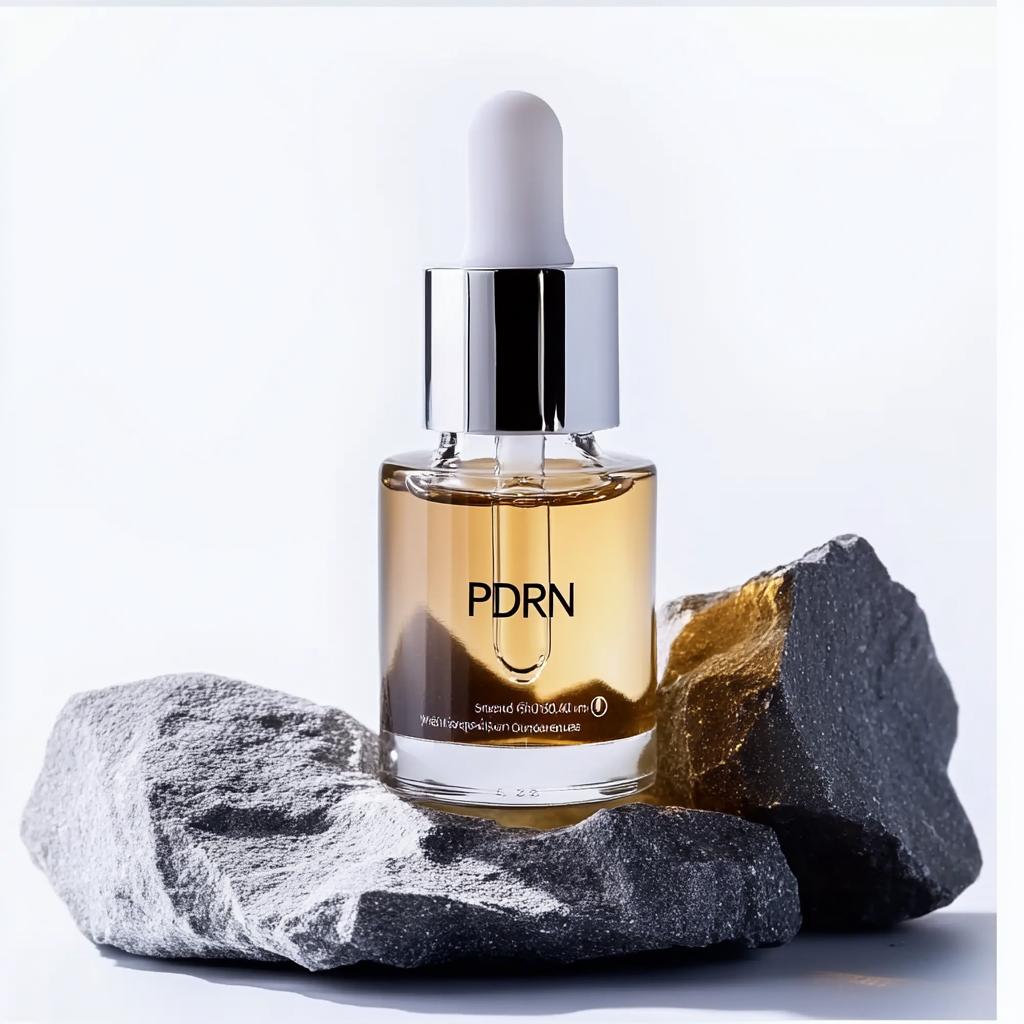
This is where a PDRN skin repair solution offers a targeted approach. Menanora develops formulations that support cellular regeneration at a biological level, helping skin recover faster and more consistently after stress or treatment.
What Is PDRN and Why It Matters in Skincare
To understand its effectiveness, it is important to look at the nature of PDRN.
PDRN (Polydeoxyribonucleotide) is a DNA-derived compound known for its regenerative properties. It works by stimulating cellular repair processes and improving microcirculation, which are essential for skin recovery.
A well-formulated PDRN skin repair solution provides:
- enhanced tissue regeneration
- improved skin hydration and elasticity
- reduced inflammation response
- support for damaged skin structures
This makes PDRN particularly valuable in both clinical and advanced skincare applications.
Core Biological Mechanisms of PDRN-Based Skin Repair
Unlike traditional repair ingredients, PDRN operates at a deeper biological level.
Cellular Regeneration Activation
PDRN stimulates fibroblast activity, promoting the production of new cells and improving skin renewal.
Anti-Inflammatory Response
It helps regulate inflammatory pathways, reducing redness and discomfort after treatments.
Microcirculation Improvement
Better blood flow supports nutrient delivery and accelerates recovery.
Tissue Repair Support
PDRN contributes to rebuilding damaged skin structures, improving overall skin integrity.
These mechanisms allow a PDRN skin repair solution to deliver both immediate and long-term benefits.
Performance Comparison: PDRN vs Standard Repair Ingredients
Reference ranges based on dermatological studies and clinical observations.
| Parameter | PDRN Repair Solution | Standard Repair Product | Reference Range |
|---|---|---|---|
| Recovery Speed Improvement | 25–40% | 10–18% | Clinical observation |
| Redness Reduction | 20–35% | 8–15% | Dermatology study |
| Hydration Retention | 30–45% | 15–25% | Corneometer data |
| Cell Regeneration Activity | 20–30% increase | 8–15% | Lab testing |
| Barrier Recovery (TEWL) | 25–38% | 12–20% | TEWL study |
These results show why PDRN is increasingly used in professional skincare.
Real-World Applications in Clinical and Skincare Settings
In practice, PDRN-based products are widely used across multiple scenarios.
Post-Treatment Recovery
After procedures such as laser or microneedling, PDRN helps accelerate healing and reduce irritation.
Sensitive Skin Support
Its anti-inflammatory properties make it suitable for reactive or damaged skin.
Anti-Aging Programs
By supporting cellular renewal, PDRN contributes to long-term skin improvement.
Because of these applications, PDRN skin repair solution systems are becoming essential in modern skincare.
Formulation Challenges in PDRN Skincare Development
Despite its benefits, PDRN is a sensitive ingredient that requires careful formulation.
Challenges include:
- maintaining stability in liquid systems
- preventing degradation during storage
- ensuring compatibility with other actives
- preserving biological activity during manufacturing
To address these issues, professional formulations must include:
- stabilized carrier systems
- controlled pH environments
- protective packaging
- low-temperature processing
These measures ensure the effectiveness of PDRN-based products.
Customization Opportunities for Brands and Clinics
As demand for regenerative skincare grows, customization becomes essential.
A professional supplier should offer:
- adjustable PDRN concentration levels
- targeted repair and regeneration functions
- compliance with different regional regulations
- customized packaging and branding
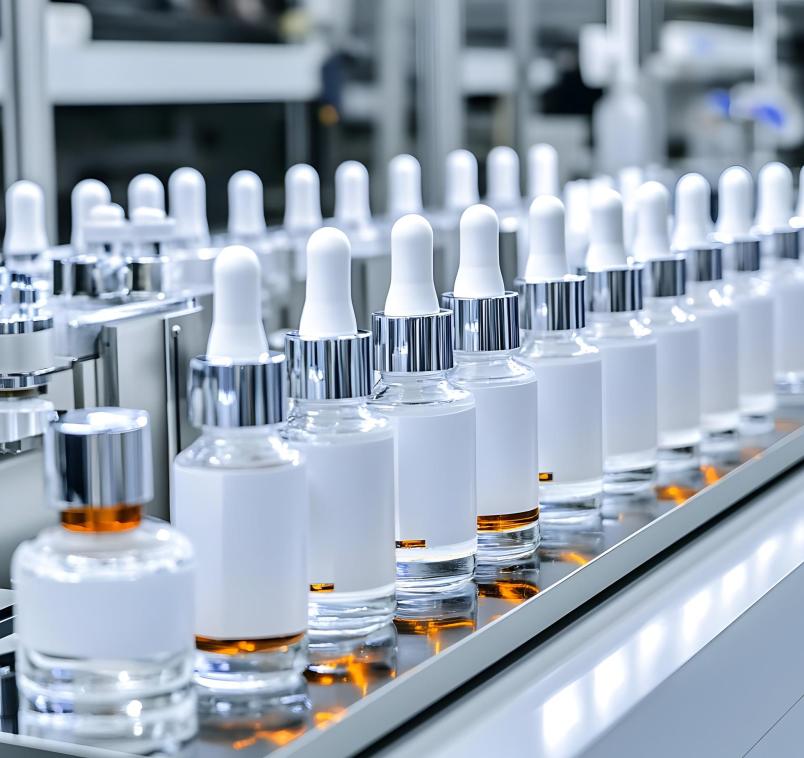
Menanora supports OEM and ODM development, enabling brands to create differentiated PDRN-based product lines.
How Menanora Develops PDRN Skin Repair Solutions
Menanora applies a structured approach to ensure performance and reliability.
Ingredient Sourcing
High-quality PDRN materials with verified purity.
Formulation Engineering
Stable systems that protect biological activity.
Testing and Validation
Evaluation under real conditions to ensure effectiveness.
GMP Manufacturing
Ensures consistent quality and safety.
Through this process, Menanora delivers PDRN skin repair solution products tailored for professional markets.
Q&A
Q: Why is PDRN effective for skin repair?
A: It supports cellular regeneration and reduces inflammation, improving recovery.
Q: Is PDRN suitable for sensitive skin?
A: Yes, it is commonly used in post-treatment and sensitive-skin formulations.
Q: Can Menanora customize PDRN products?
A: Yes, we provide OEM/ODM solutions for brands and clinics.
Advancing Skin Repair Through DNA-Based Technology
As skincare continues to evolve, advanced ingredients like PDRN provide new possibilities for improving skin recovery and regeneration. By targeting biological processes, these formulations deliver more consistent and effective results.
Menanora combines scientific research and manufacturing expertise to develop high-performance skincare solutions for global markets.
Explore our skincare solutions:
https://www.menanora.com/
For OEM/ODM development, contact us:
https://www.menanora.com/contact-us/