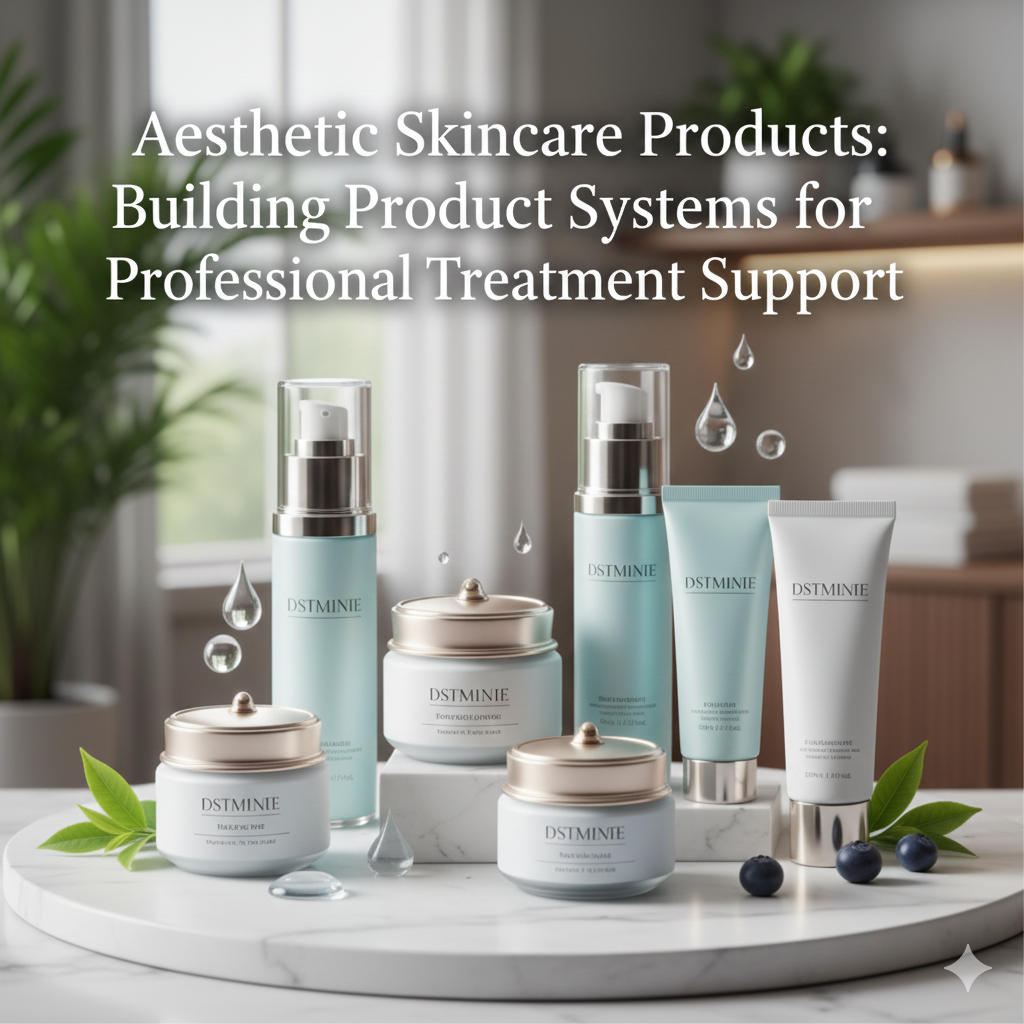
When Treatment Products Do Not Match Clinical Reality
In many aesthetic clinics and professional skincare environments, practitioners encounter the same challenge: products that look promising on paper but fail during real treatments. Serums may sting after exfoliation, gels may collapse under heat from devices, or textures may become unstable during suction-based treatments. These problems interrupt workflow and can undermine both treatment results and client trust.
Clients also feel the impact immediately. Instead of experiencing calm, hydrated skin after treatment, they may experience redness, tightness, or short-lived results. For clinics and skincare brands, this inconsistency creates a gap between treatment expectations and actual outcomes.
This is why the design of aesthetic skincare treatment products must go beyond cosmetic formulation. Menanora focuses on developing treatment-compatible products that remain stable under procedural stress while supporting sensitive or recently treated skin. Through controlled ingredient selection, device compatibility testing, and GMP manufacturing standards, our formulations aim to ensure both practitioner confidence and client comfort.
Why Professional Treatment Products Must Be Engineered Differently
Before discussing ingredients or textures, it is important to recognize that aesthetic treatments create a completely different environment for skincare products. Heat, suction, vibration, exfoliation, and temporary barrier disruption all influence how a product behaves on the skin.
Because of these factors, aesthetic skincare treatment products must satisfy stricter criteria than ordinary cosmetics. A professional formulation must maintain consistent viscosity during device movement, avoid foam formation under suction pressure, and remain stable under elevated treatment-room temperatures.
To meet these expectations, manufacturers must design formulas that balance three core priorities:
-
treatment compatibility with devices
-
barrier protection for sensitive or post-procedure skin
-
predictable absorption without irritation
These principles form the foundation of professional treatment skincare systems.
Core Ingredients Supporting Modern Aesthetic Treatments
Once the engineering principles are clear, the next step is selecting ingredients that support real treatment outcomes. Professional products must combine hydration, soothing, and structural skin support without overwhelming sensitive skin.
Typical ingredient systems include:
Hydration complexes
Multi-weight hyaluronic acid molecules help deliver hydration across different skin layers. Lower molecular weights support deeper absorption, while higher molecular weights help retain surface moisture.
Barrier-support lipids
Ceramides, cholesterol derivatives, and fatty acids restore lipid balance and help reduce transepidermal water loss after treatments.
Anti-inflammatory botanical extracts
Centella asiatica fractions, beta-glucan, and panthenol help calm redness and reduce inflammatory responses caused by exfoliation or device energy.
Antioxidant protection
Stabilized vitamin C derivatives, ectoin, and polyphenols help neutralize oxidative stress that can occur during heat-based treatments.
Together, these ingredients allow aesthetic skincare treatment products to support both immediate comfort and longer-term skin resilience.
Data Comparison: Professional Treatment Products vs Consumer Skincare
Clinical testing often shows measurable differences between treatment-grade formulas and ordinary skincare products.
| Performance Indicator | Aesthetic Treatment Products | Consumer Skincare | Reference Range |
|---|---|---|---|
| Heat Stability (50°C test) | 95–100% stable | 65–80% stable | Thermal stress testing |
| Irritation Score | 0–0.5 / 5 | 1.5–2.5 / 5 | Dermatology patch testing |
| Hydration Retention (4 hours) | 25–35% increase | 10–18% increase | TEWL measurement |
| Texture Stability Under Device Glide | 90–98% | 60–75% | Mechanical viscosity test |
| Foam Formation Under Suction | <5% | 15–25% | Negative pressure simulation |
These differences highlight why clinics often require formulations specifically engineered for professional use.
Device Compatibility: A Hidden Requirement in Treatment Products
Another factor that strongly influences treatment outcomes is device compatibility. Products that work well during manual application may behave very differently when used with aesthetic equipment.
For example, ultrasound devices require controlled viscosity so that the product provides enough glide without separating. Hydradermabrasion systems demand low-foam formulas that remain clear and stable under negative pressure. Microneedling treatments require serums that absorb quickly without clogging microchannels.
Because of these requirements, aesthetic skincare treatment products must be evaluated under multiple stress conditions, including heat, vibration, and pressure changes. Without these tests, a product may fail during real clinical use.
How Treatment Products Support Sensitive and Post-Procedure Skin
Another important aspect of aesthetic skincare is skin sensitivity. Many treatments temporarily weaken the skin barrier, increasing permeability and vulnerability.
For this reason, professional formulations must remain safe even when the skin is compromised. Low-irritation carriers, balanced pH levels, and fragrance-free systems help reduce the risk of discomfort.
Common supportive ingredients include:
-
panthenol for calming and hydration
-
beta-glucan for inflammation control
-
ceramides for lipid restoration
-
ectoin for osmotic protection
-
allantoin for soothing irritated skin
By focusing on these ingredients, treatment products help accelerate recovery and maintain client comfort during and after procedures.
Customization Requirements for Clinics and Skincare Brands
As aesthetic markets continue to grow, many clinics and brands seek customized treatment systems rather than standard formulas.
Customization can involve several aspects. Some clinics require specific viscosities to match particular devices. Others need formulas tailored for sensitive skin or post-laser recovery. Regional regulations may also require different preservative systems or ingredient concentrations.
Menanora supports these needs by offering OEM and ODM development for treatment skincare lines. This includes adjusting ingredient levels, modifying texture behavior, and ensuring regulatory compliance across international markets.
Through this process, clinics and brands can create differentiated treatment programs while maintaining product safety and stability.
How Menanora Develops Aesthetic Skincare Treatment Products
Menanora approaches treatment skincare development through a structured research and testing process.
First, our team studies real treatment workflows used in clinics and aesthetic centers. Understanding how practitioners apply products allows us to design formulas that behave predictably under device-assisted procedures.
Second, ingredient systems are selected based on biological compatibility with sensitive skin and post-treatment conditions. Stability testing ensures that products maintain performance even under heat, suction, and mechanical stress.
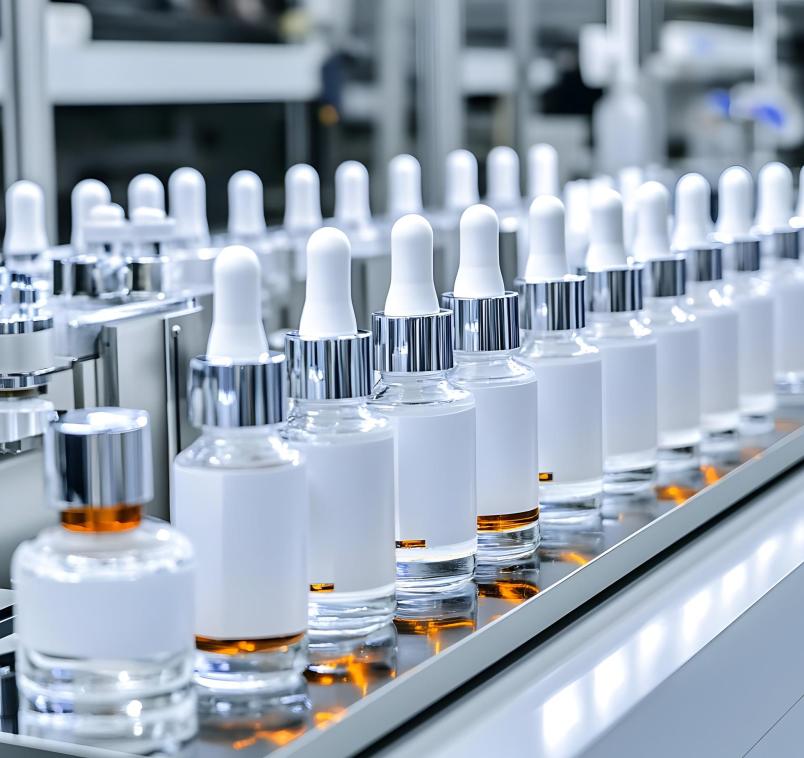
Finally, production takes place under GMP manufacturing standards, ensuring purity, microbial safety, and consistent batch quality.
Through this process, Menanora produces aesthetic skincare treatment products that support both clinical performance and long-term skin health.
QA
Q: Why do some skincare products cause irritation during treatments?
A: Many cosmetic formulas contain alcohol, fragrance, or unstable ingredients that become irritating when the skin barrier is temporarily weakened during treatments.
Q: Can one product work across multiple aesthetic devices?
A: Yes, but only if viscosity, stability, and absorption are carefully engineered to perform under different mechanical conditions.
Q: Does Menanora support private label treatment skincare development?
A: Yes. We provide OEM and ODM services for clinics, distributors, and skincare brands looking to develop professional treatment lines.
Building Reliable Treatment Systems for Modern Aesthetic Care
As aesthetic treatments become more advanced, the role of skincare products becomes increasingly important. Products must support treatment performance, maintain skin comfort, and provide visible results without compromising safety.
Menanora combines dermatology research, formulation engineering, and professional manufacturing standards to develop reliable treatment skincare solutions for global aesthetic brands and clinics.
Learn more about Menanora skincare solutions
https://www.menanora.com/
For OEM/ODM development of aesthetic skincare treatment products, contact our team
https://www.menanora.com/contact-us/